

About the author. Dr Chalchisa Abdeta is a global researcher examining how young children move, sleep, and engage with digital media in a rapidly changing world. His work combines device‑based measurement with mixed‑methods research to better understand children’s daily behaviours and generate evidence that informs policy and practice in low‑ and middle‑income countries. Learn more about his work at www.drchali.com.
.
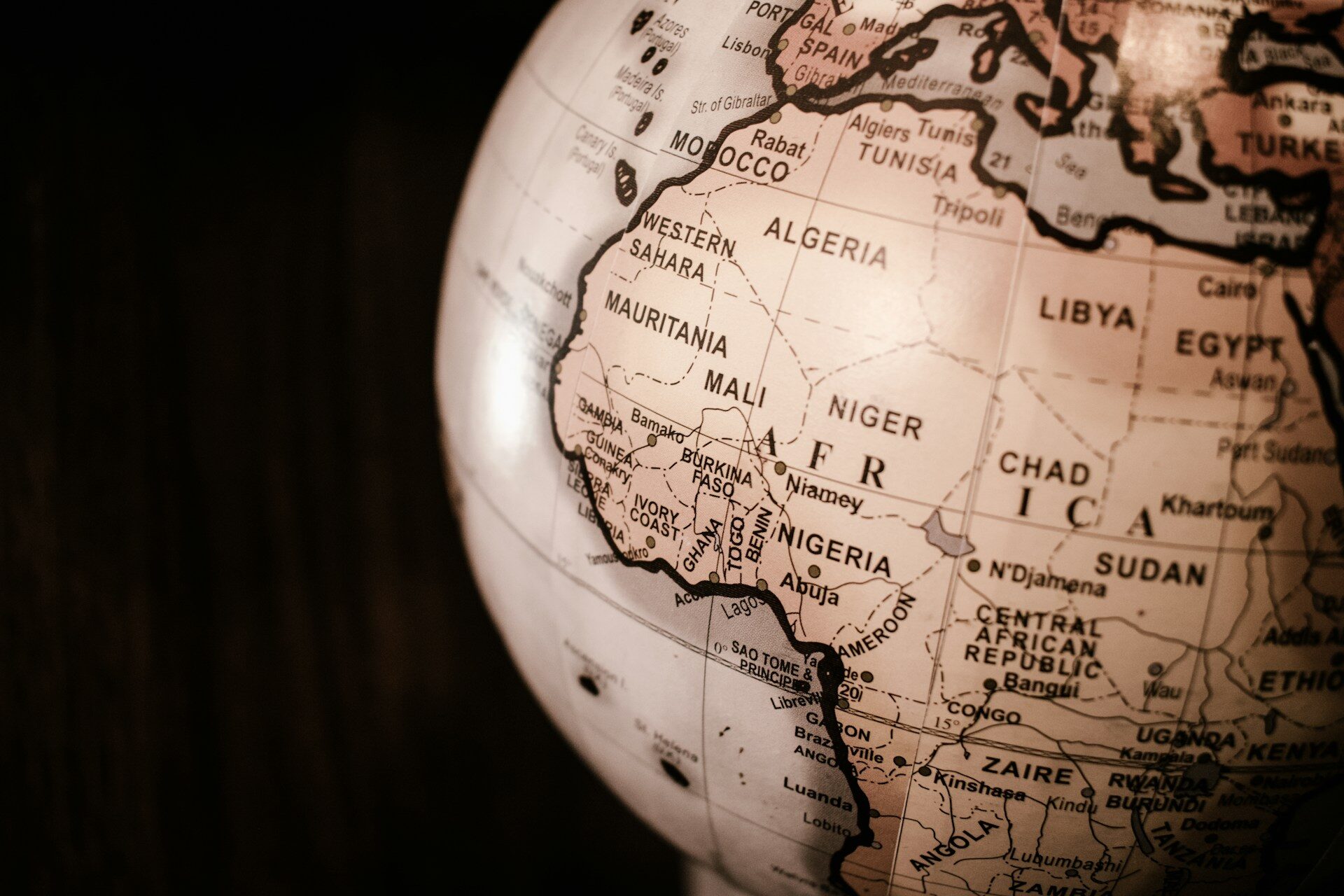
Making Africa Visible in Physical Activity Research. The global conversation on physical activity remains uneven. Although international guidelines are valuable, much of the evidence behind them comes from high-income countries, leaving the realities of low- and middle-income countries, especially across Africa, under-represented. That imbalance matters because millions of people’s experiences are still missing from the data that shape global policy. Africa is the world’s fastest-growing population, yet it remains a major blind spot in physical activity evidence. At the same time, physical inactivity and non-communicable disease risks continue to rise across the continent. When data are missing, needs stay invisible, and when needs are invisible, investment is less likely to follow.
In this blog, I reflect on what we did, what worked well, what was challenging, and what is needed from funders, academic institutions, and collaborators to make this kind of research easier and more sustainable in the future.
Why Wearables Matter. Wearable technologies such as accelerometers and smart bands offer objective, continuous data that self-report methods cannot always provide. They have great potential for strengthening physical activity surveillance, particularly in settings where routine monitoring is limited or absent. However, most of the supporting evidence comes from controlled studies in high-income settings. These environments differ greatly from the rural communities, informal settlements, and rapidly growing cities where inactivity is often most urgent.
Beyond the Device. Our experience using wearables in African research settings shows that the main challenge is not the technology itself. The real work lies in the practical, relational, and ethical effort needed to make research work in real-world conditions. That means adapting methods, building local capacity, and making sure research is not simply imported from elsewhere. It also means recognising African researchers and field teams as leaders in shaping evidence, not just as implementers of outside ideas.
What Worked Well? Several factors supported the work. Clear communication with participants can build trust, while simple procedures such as logs, checklists, and routine follow-up reduced errors. Global collaboration supported the work, while local partners strengthened the study through their contextual knowledge, which helped guide recruitment, interpretation, and problem-solving. Participant engagement was often strong when the purpose of the study was explained clearly and expectations were realistic. In many cases, trust mattered more than technical complexity.
What Was Challenging? The challenges were real. Reliable power was not always available, device wear compliance varied for understandable reasons, and data transfer could be slowed by weak internet or limited infrastructure. Procurement and customs delay also added extra cost and time. There were also ethical concerns. Participants wanted to know how their data would be used and what they would receive in return. Those questions remind us that wearable research must be transparent, respectful, and designed to avoid extractive practices.
What Needs to Change? If physical activity surveillance in Africa is to improve, funders and institutions need to support implementation as part of scientific quality. Budgets should allow for piloting, local training, spare devices, and realistic timelines. Academic institutions and journals should also value equitable collaboration, local authorship, and capacity strengthening. A promising long-term idea is an African accelerometer hub to support methods, training, and data stewardship.
Conclusion. Wearable technologies can strengthen physical activity research where good data are urgently needed. But their success depends less on novelty and more on thoughtful design, strong partnerships, and adequate resources. If research is to inform policy fairly, Africa must not remain invisible. Making physical activity visible is not only a scientific task; it is an ethical responsibility.